
Ceasefire is happening today Pakistani US sources claim but Iran says otherwise
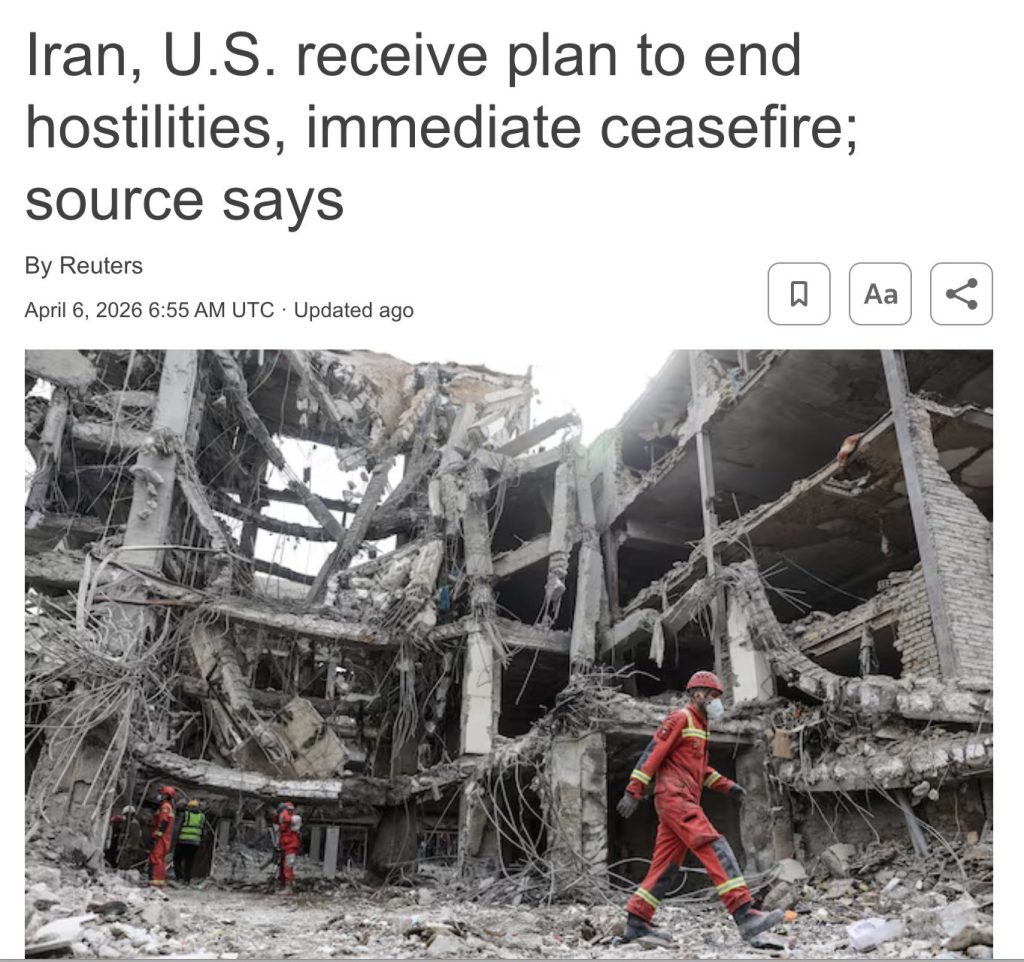
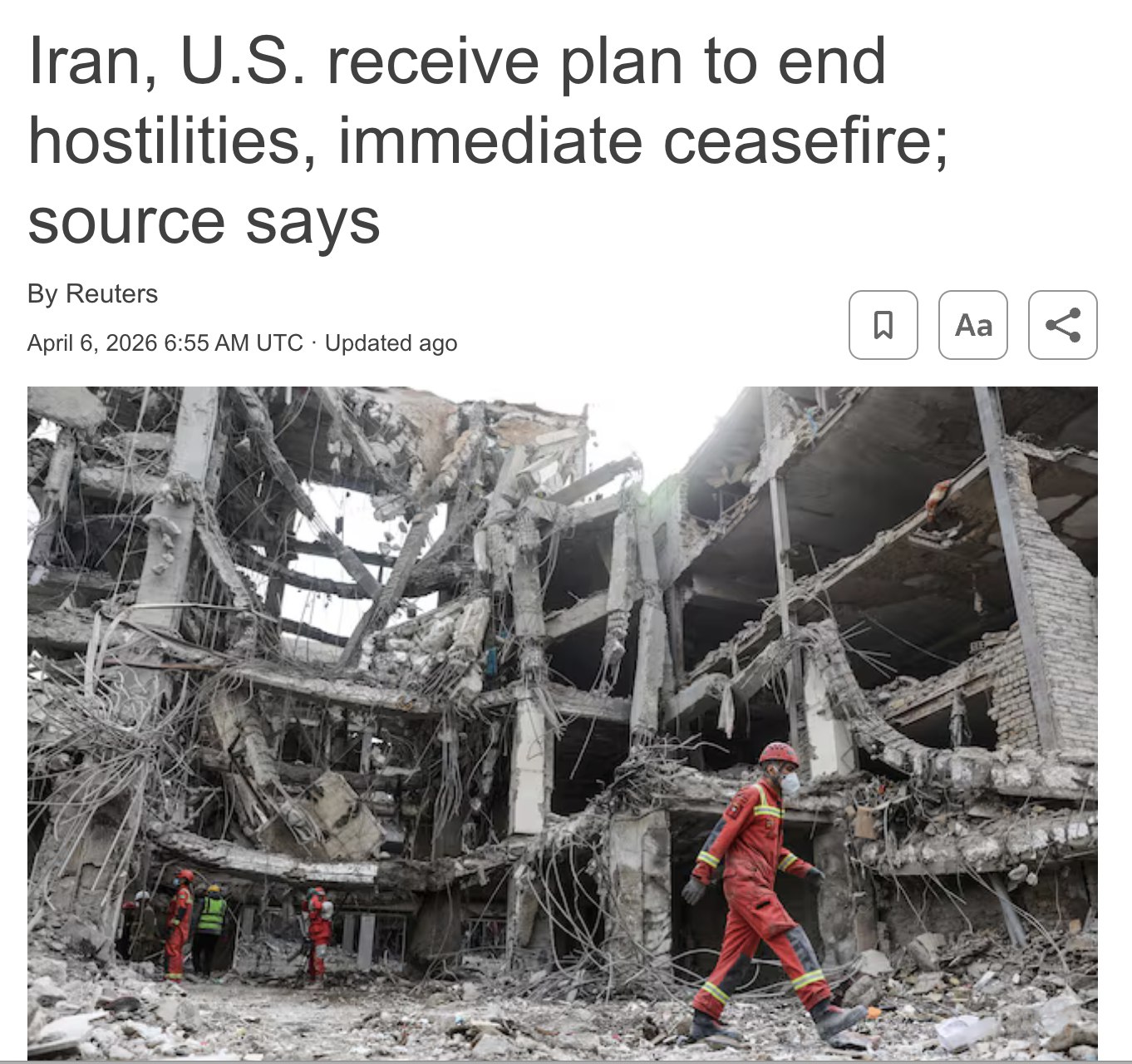
“Ceasefire is happening today: Pakistani/US sources claim, but Iran says otherwise!”
Reuters reported, citing unnamed (Pakistani or US) officials:
– Pakistan has made a proposal to both sides to end the Iran-US war.
According to the proposal, a ceasefire will be first followed by a peace agreement.
Accordingly, the ceasefire will start on Monday. The Strait of Hormuz will be opened at the same time.
Iran’s nuclear and missile talks will take place within 25 days and a permanent peace agreement will be reached.
Meanwhile, Iranian officials told Reuters:
Iran has received Pakistan’s proposal and is reviewing it; however, they will not accept any deadline or pressure.
Tehran will not reopen the Strait of Hormuz in exchange for a temporary ceasefire. Iran wants a permanent peace agreement, not a ceasefire.
* A plan to be agreed upon by Monday May
* Two-step deal: First ceasefire, then final agreement
* A ceasefire could quickly open the Strait of Hormuz
* Big deal in 15-20 days—in exchange for easing nuclear restrictions and sanctions
* Possible name of the deal: “Islamabad Accord”
Top story — A plan has been presented to Iran and the United States that could take effect on Monday and pave the way for the reopening of the Strait of Hormuz, a source told Reuters.
The source said Pakistan has prepared a proposal and shared it with Iran and the United States. It includes a two-step proposal—first an immediate ceasefire, then a comprehensive agreement.
According to the source, the initial agreement will be signed today. It will be in the form of a memorandum of understanding (MoU), which will be finalized electronically through Pakistan. Pakistan is acting as the sole conduit in these talks.
According to the proposal, once the ceasefire takes effect, The Strait of Hormuz could be opened and a deadline set for reaching a full agreement within 15-20 days. The possible agreement will be called the “Islamabad Accord.” The agreement will also include a regional framework for the Strait of Hormuz.
The final talks could take place in the Pakistani capital, Islamabad, through a direct meeting of top officials from both sides.
The sources also said that Pakistani Army Chief Field Marshal Asim Munir had been in contact with US Vice President JD Vance, Special Envoy Steve Witkoff and Iranian Foreign Minister Abbas Araghchi overnight.
There was no immediate response from the US or Iran on the issue. Pakistan’s Foreign Office spokesman Tahir Andrabi also declined to comment.
Earlier, Iranian officials told Reuters that they wanted a permanent ceasefire. However, they must guarantee that there will be no future attacks by the US or Israel. Various mediators, including Pakistan, Turkey and Egypt, are They also mentioned that Tehran has received a message from the US.
The final deal could include a commitment from Iran not to advance its nuclear weapons program, in exchange for sanctions relief and the release of seized assets, the sources said.
However, two Pakistani sources said that despite intense diplomatic efforts, Iran has not yet made any commitments.
Meanwhile, the US media outlet Axios reported on Sunday that the US, Iran and regional mediators are discussing a possible 45-day ceasefire. It talks about a two-phase deal. It could pave the way for a permanent end to the war. The media outlet reported this information citing US, Israeli and regional sources.
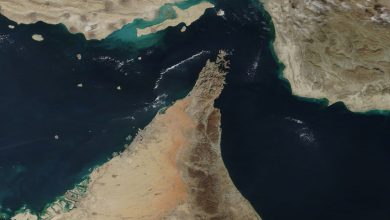
The diplomatic initiative comes at a time when ongoing tensions are disrupting navigation in the Strait of Hormuz, a vital route for global oil supplies, resulting in instability in the energy market.
The two-phase deal proposed by Pakistan is as follows:
1) Phase One
*With the signing Ceasefire to take effect
*Strait of Hormuz to be opened immediately
2) Phase 2 (15–20 days)
* Negotiations on a final comprehensive peace agreement
* Possible name: “Islamabad Accord”
* The final agreement could include:
Iran agrees to limits on its nuclear program (not weapons development)
In exchange:
* Sanctions on Iran to be eased
* Release of seized Iranian assets
* A comprehensive regional framework to secure the Strait of Hormuz
– Source Reuters